Frontend Development
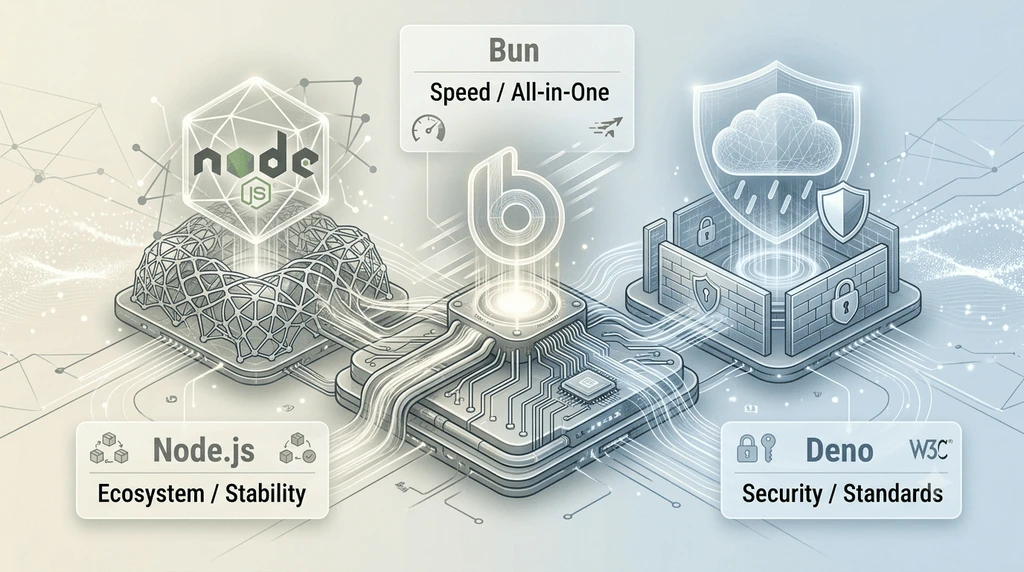
Bun vs. Node.js vs. Deno: Which Runtime Wins in 2026?
Compare Bun vs. Node.js vs. Deno for 2026. Discover performance benchmarks, ecosystem compatibility, and find out which JavaScript runtime wins for your stack.
June 27, 2026

Learn frontend web development including React, JavaScript, responsive UI design, frontend architecture, and modern styling techniques for building fast and scalable web applications.
Compare Bun vs. Node.js vs. Deno for 2026. Discover performance benchmarks, ecosystem compatibility, and find out which JavaScript runtime wins for your stack.
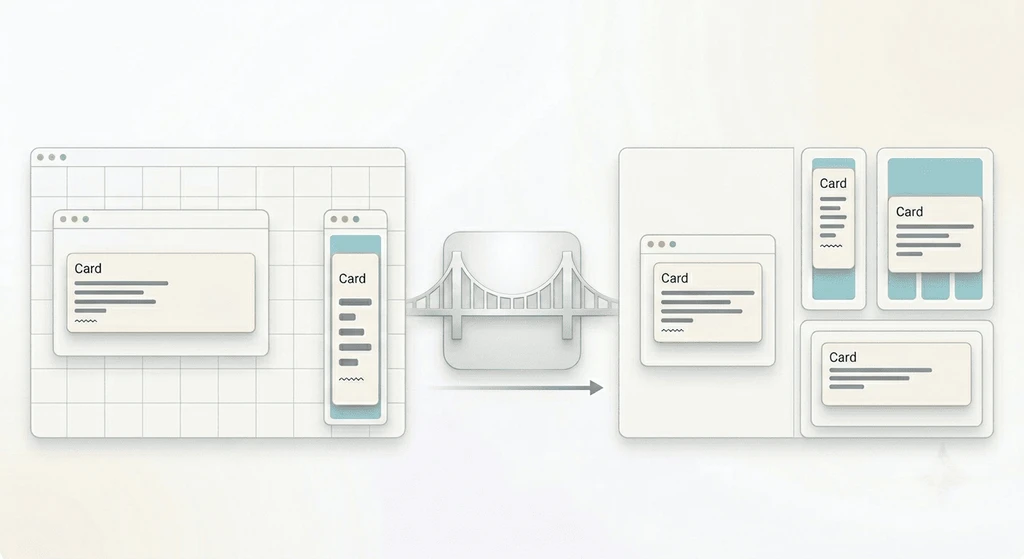
Learn how to use CSS container queries to build truly responsive, component-driven layouts. Discover syntax, real-world examples, and 2026 best practices.
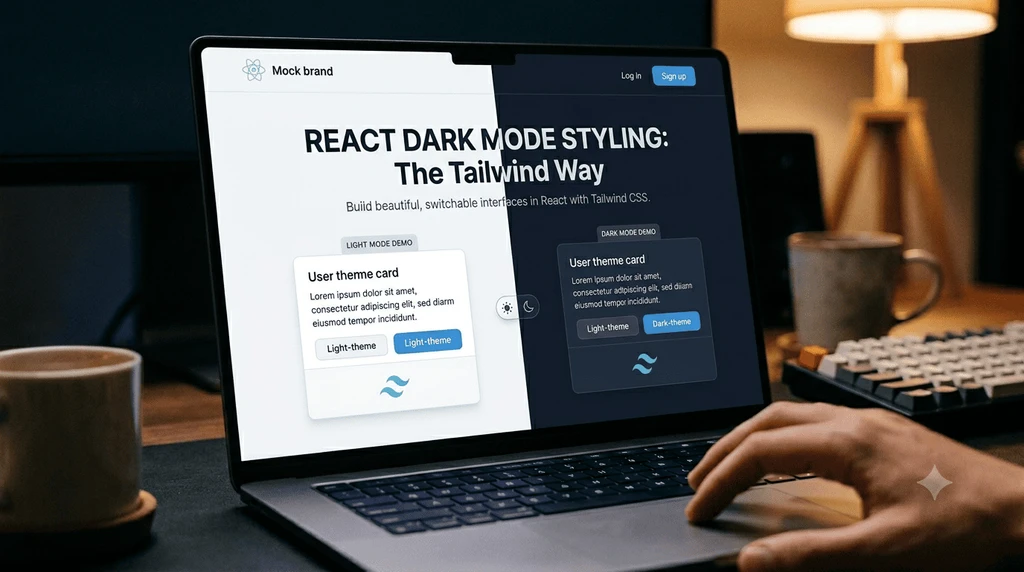
To implement dark mode in React, you dynamically apply a global CSS class (usually .dark) to the root HTML element while managing the theme state via React hooks or Context. Moreover, pairing this with Tailwind CSS styling provides a highly productive developer experience, letting you style components conditionally using simple utility-first classes.
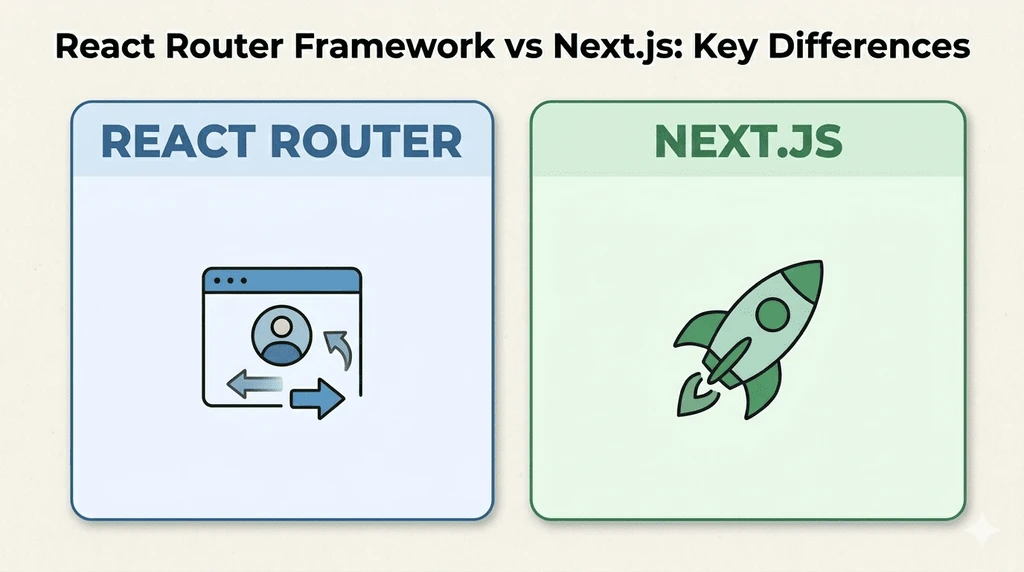
React Router Framework vs Next.js is not just a routing comparison. It is a comparison between two different ways of building modern React apps. React Router Framework Mode is a route-module-first framework layer with loaders, actions, revalidation, SSR, pre-rendering, and SPA/static options. Next.js is a component-first app framework built around Server Components, Client Components, server-side data fetching, streaming, and rendering boundaries.
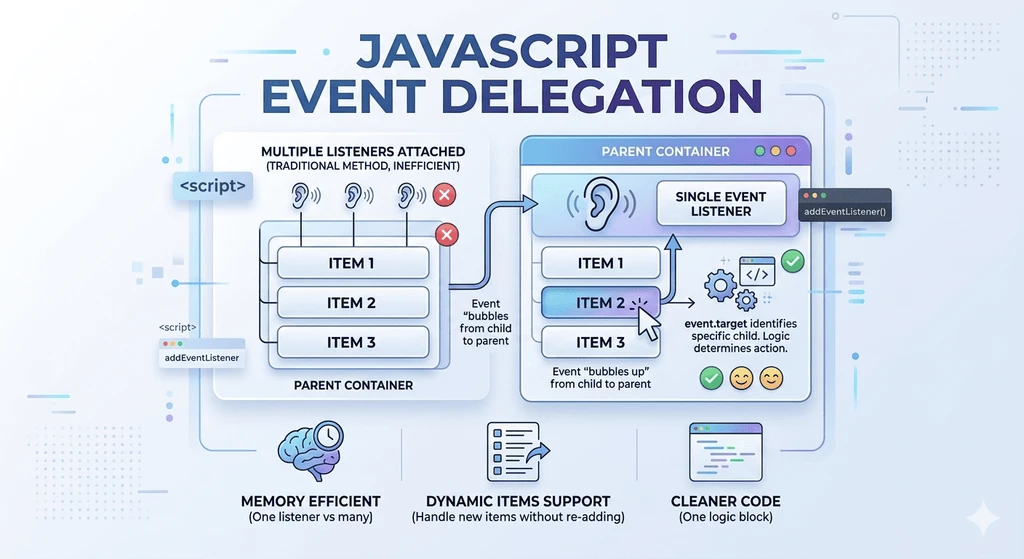
JavaScript Event Delegation is a technique where a parent element handles events for its child elements using event bubbling. Instead of attaching event listeners to many child elements individually, you attach one listener to a common parent and determine which child triggered the event.
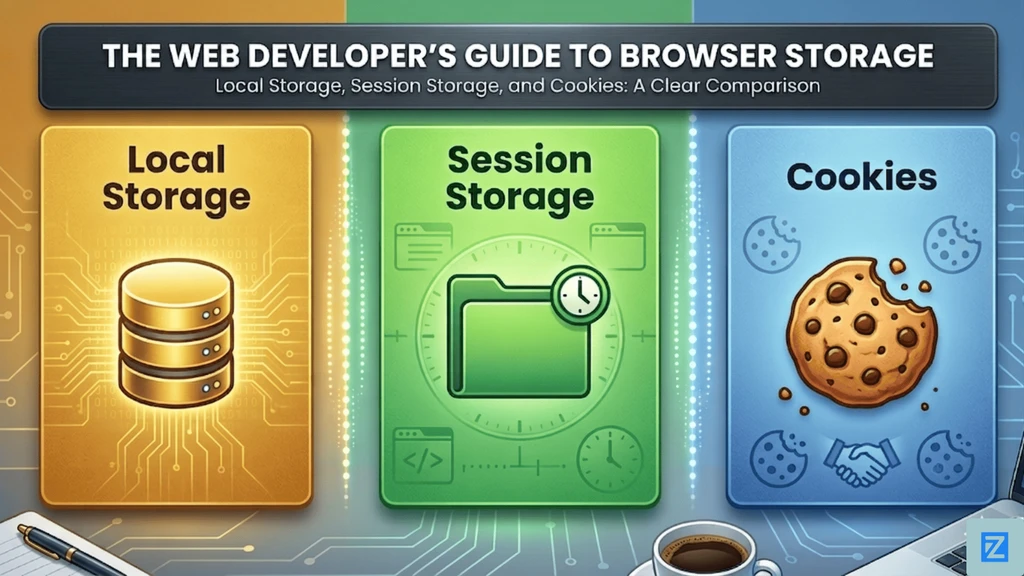
Local storage vs session storage vs cookies is a browser storage comparison that every frontend developer should understand. These three tools all store data, but they differ in lifetime, scope, security, and whether the server can read the data. In modern web development, the right choice depends on whether you need browser-only persistence, tab-only persistence, or server-visible state.
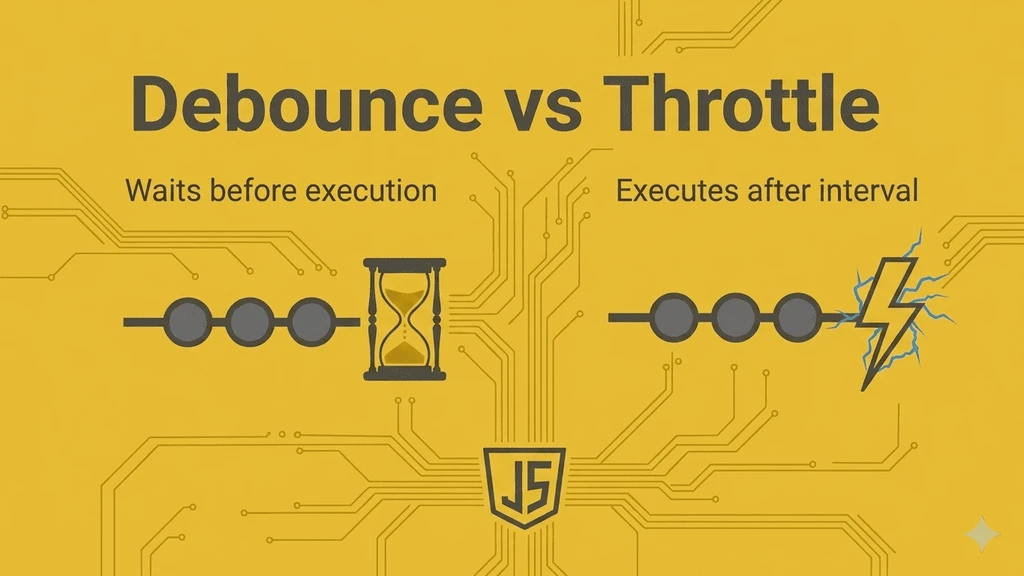
Debounce vs throttle is a core JavaScript concept used to control how often a function runs during repeated events. In frontend development, both help improve performance by preventing excessive function calls during typing, scrolling, resizing, or API requests. The key difference is simple: debounce waits, while throttle limits frequency.