
Backend Development
Bun vs. Node.js vs. Deno: Which Runtime Wins in 2026?
Compare Bun vs. Node.js vs. Deno for 2026. Discover performance benchmarks, ecosystem compatibility, and find out which JavaScript runtime wins for your stack.
June 27, 2026

Master the server-side of web applications. Explore database integrations, API design, security, and scalable infrastructure to power modern web experiences.
Compare Bun vs. Node.js vs. Deno for 2026. Discover performance benchmarks, ecosystem compatibility, and find out which JavaScript runtime wins for your stack.

Learn how to build a secure node js file upload with multer. Process single or multiple file uploads, validate MIME types, and prevent server memory leaks
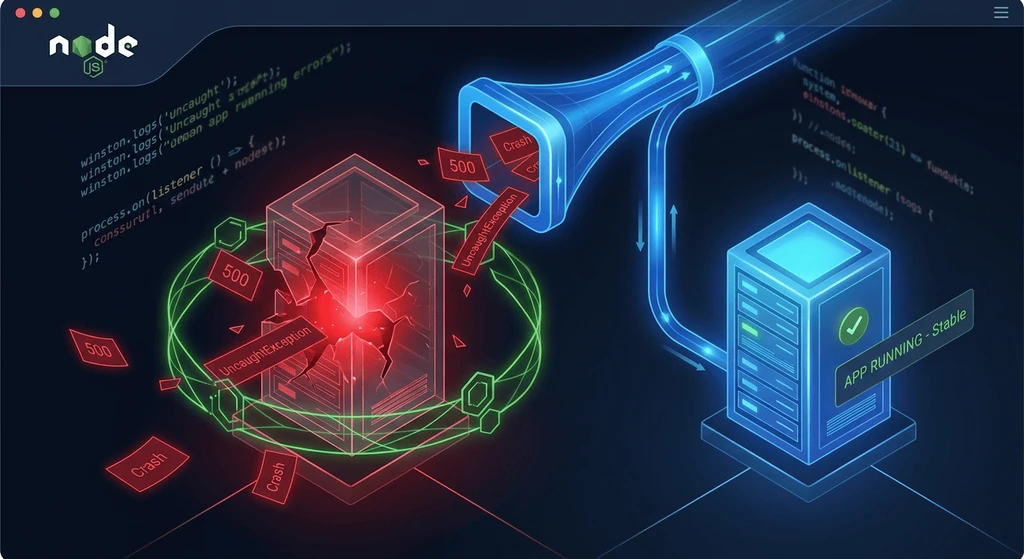
Error handling in Nodejs is the programmatic practice of anticipating, catching, and responding to functional anomalies or runtime failures within a server application. Implementing robust error handling ensures your backend application isolates unexpected failures gracefully, prevents sudden server crashes, maintains high availability, and provides actionable logs for debugging. Without a bulletproof error handling strategy, a single unhandled exception or failed database queries can compromise your entire event loop. When an unhandled error pops up, the Node.js process terminates abruptly. This drops active user connections and leaves your application state broken. Building a centralized architecture keeps your application reliable, secure, and resilient under heavy production workloads.